


Hidden Christian Sites in the Nagasaki Region
長崎県、熊本県/世界遺産登録2018年
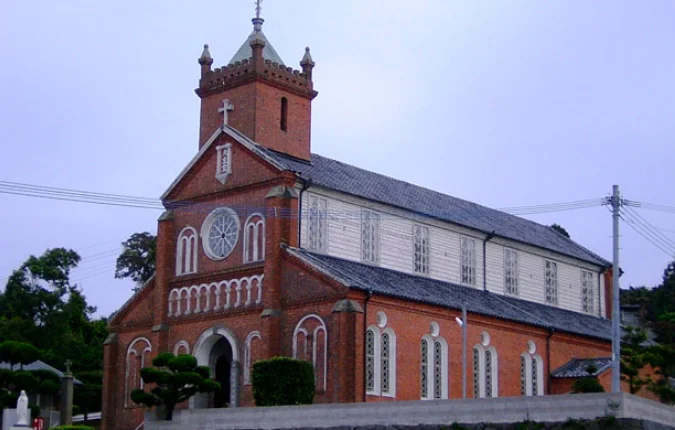
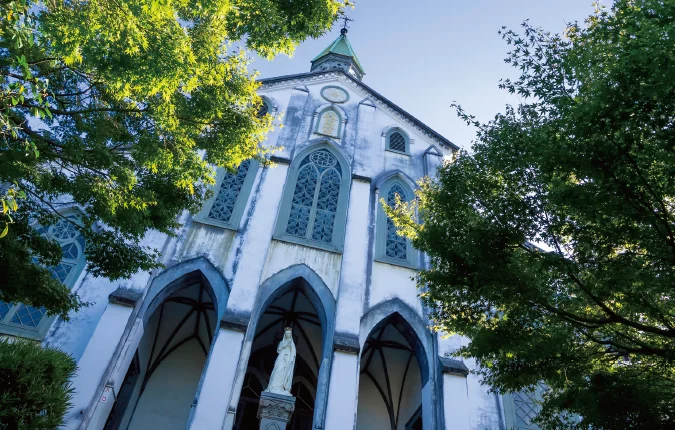
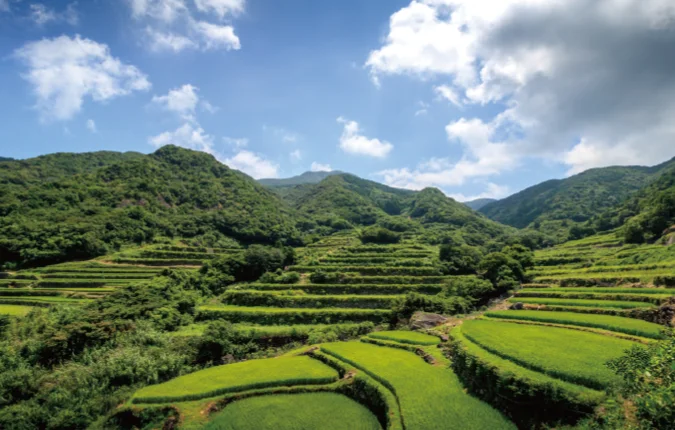
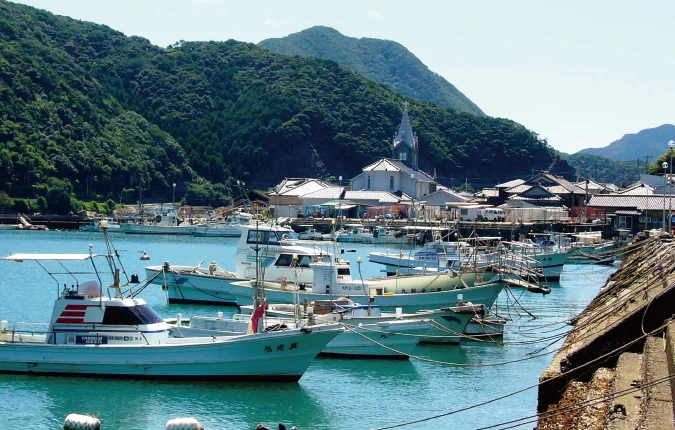
長崎と天草地方の潜伏キリシタン関連遺産
江戸時代(17~19世紀)、長崎と天草地方で、厳しい生活条件の下、
既存の社会・宗教と共生しつつ信仰を持ち続けた潜伏キリシタンの潜伏から終焉までを物語る遺産群です。
寛永21年(1644)、最後の宣教師が殉教した後も残されたキリシタンは「潜伏」して信仰を続けました。
彼らは共同体を維持しつつ、山や島を拝む、身近なものを信仰具とする、
聖画像をひそかに拝むなど、独自の信仰を実践しました。
また既存の社会や宗教との折り合いを考慮して移住先を選択し、2世紀に及ぶ信仰を維持しました。
元治2年(1865)の「信徒発見」後、潜伏は終焉を迎えました。
秘匿を基本とした信仰の継続は、植民地におけるキリスト教とは性質が全く異なる独特な宗教性を示しています。
【文化遺産オンライン(文化庁)】
https://bunka.nii.ac.jp/special_content/hlinkI
【長崎 五島列島:潜伏キリシタンの歴史をたどる旅】
https://www.nippon.com/ja/guide-to-japan/gu900003/

Hidden Christian Sites
in the Nagasaki Region
This is a group of heritage sites that tell the story from the concealment to the end of Hidden Christians in the Nagasaki and Amakusa regions during the Edo period (17th-19th centuries), who, under severe living conditions, maintained their faith while coexisting with existing society and religions.
Even after the last missionary was martyred in the 21st year of Kan'ei (1644), the remaining Christians continued their faith in "concealment." While maintaining their communities, they practiced unique forms of faith, such as worshipping mountains and islands, using familiar objects as religious items, and secretly venerating sacred images. They also selected relocation destinations considering accommodation with existing society and religions, maintaining their faith for two centuries.
After the "Discovery of Hidden Christians" in the 2nd year of Genji (1865), the concealment came to an end. This continuation of faith based on secrecy demonstrates a unique religiosity completely different in nature from Christianity in colonies.
-
【UNESCO World Heritage Center】
https://whc.unesco.org/en/list/1495 -
【Exploring Nagasaki’s Gotō Islands and the History of the Hidden Christians】
https://www.nippon.com/en/guide-to-japan/gu900003/ -
【Nagasaki prefecture】
https://www.discover-nagasaki.com/en -
【Kumamoto prefecture】
https://kumamoto.guide/en/
长崎与天草地方的潜伏基督徒相关遗产
这是讲述在17~19世纪禁教时代坚持信仰的“隐匿基督徒”传统故事的遗产群。这个遗产的特点在于,这是由为坚持信仰,想方设法通过各种形态与其他宗教共存的村落以及为维持信仰组织而进行移居的村落等构成的资产。
-
【长崎 五岛列岛:寻找“地下基督徒”的历史足迹】
https://www.nippon.com/cn/views/gu900003/ -
【日本长崎县官方网站】
https://www.discover-nagasaki.com/zh-CN -
【熊本县旅游网站】
https://kumamoto.guide/zh/
長崎與天草地區潛伏基督教徒相關遺產
訴說在 17~19 世紀的禁教時代,持續擁有信仰的「隱匿基督徒」的傳統的遺產群。這個遺產的特色在於,這是由為了維持信仰,試圖以各種形態和其他宗教共生的聚落,以及為了維持信仰組織,試圖移居的聚落等構成的資產。
-
【長崎 五島列島:尋找「地下基督徒」的歷史足跡】
https://www.nippon.com/hk/views/gu900003/ -
【日本長崎縣官方網站】
https://www.discover-nagasaki.com/zh-TW -
【熊本縣觀光旅遊網站】
https://kumamoto.guide/tw/
나가사키와 아마쿠사 지방의 잠복
기리시탄 관련 유적
17~19 세기의 포교 금지 시대에 믿음을 버리지 않았던 '잠복 기리시탄'의 전통을 오늘날에 전하고 있는 유산군입니다. 믿음을 지키기 위해 다양한 형태로 다른 종교와 공생하고자 노력했던 마을이나 신앙 조직을 유지하기 위해 이주를 강행한 마을 등으로 구성되어 있는점이 독특합니다.
-
【일본 나가사키현 공식 관광 홈페이지】
https://www.discover-nagasaki.com/ko -
【구마모토현 관광 사이트 못토, 못토!, 구마못토.】
https://kumamoto.guide/ko/
Sites chrétiens cachés
de la région de Nagasaki
Du XVIIe au XIXe siècle, le christianisme était interdit au Japon, de sorte que les chrétiens japonais ont dû devenir des « chrétiens cachés » (senpuku kirishitan). Ce site du patrimoine mondial regorge d’endroits qui racontent leur histoire, et compte notamment de nombreux villages où ces chrétiens cachés ont essayé de coexister avec d’autres religions sous différentes formes afin de préserver leur foi, ou bien où ils se sont installés afin de maintenir leur organisation religieuse.
-
【UNESCO World Heritage Center】
https://whc.unesco.org/fr/list/1495/ -
【Exploring Nagasaki’s Gotō Islands and the History of the Hidden Christians】
https://www.nippon.com/fr/views/gu900003/ -
【du tourisme de la préfecture de Kumamoto】
https://kumamoto.guide/fr/
Verborgene christliche Stätten
in der Region Nagasaki
Zwischen dem 17. Und 19. Jahrhundert war das Christentum in Japan verboten. Japanische Christen mussten zu so genannten “verborgenen Christen” (senpuku kirishitan) werden. Dieses Weltkulturerbe besteht aus diversen Stätten, die die Geschichte dieser Christen erzählen. In zahlreichen Dörfern der Region versuchten diese im Verborgenen lebenden Christen auf verschiedene Arten und Weisen mit Gläubigen anderer Religionen zusammenzuleben, um ihren Glauben zu wahren. Viele zogen auch hierher, um ihre religiöse Glaubensgemeinschaft zu bewahren.
-
【Website der Präfektur Kumamoto verwendet】
https://kumamoto.guide/de/
Siti cristiani nascosti della regione
di Nagasaki
Dal XVII al XIX secolo, il cristianesimo fu proibito in Giappone e i cristiani giapponesi furono costretti a diventare "cristiani nascosti" (senpuku kirishitan). Questo sito patrimonio mondiale è ricco di luoghi che raccontano le loro storie, in particolare numerosi villaggi in cui i cristiani nascosti cercarono in diversi modi di coesistere con altre religioni per mantenere la loro fede, oppure in cui si trasferirono per mantenere la loro organizzazione religiosa.
Sitios de los cristianos ocultos
en la región de Nagasaki
Desde el siglo XVII hasta el siglo XIX, el cristianismo estuvo prohibido en Japón, de manera que los cristianos japoneses tuvieron que convertirse en “cristianos ocultos” (senpuku kirishitan). Este Patrimonio de la Humanidad está lleno de lugares con una historia que contar y es especialmente interesante por las numerosas aldeas repartidas por la zona donde los cristianos ocultos trataron de convivir con otras religiones de distintas maneras como una forma de mantener su fe, o donde se trasladaron con el fin de mantener su organización religiosa.
Sítios Cristão Escondidos
na Região de Nagasaki
Durante os séculos XVII a XIX, o Cristianismo foi proibido no Japão, deste modo, os Cristãos japoneses tiveram de se tornar “Cristãos ocultos” (senpuku kirishitan). Este Património da Humanidade está cheio de locais que contam as suas histórias, e nomeadamente têm diversas vilas separadas onde os Cristãos ocultos tentaram coexistir com outras religiões de vários modos, como uma forma de manter a sua fé ou para onde se mudaram, de modo a manterem a sua organização religiosa.
Скрытые христианские памятники региона Нагасаки
В 17–19 веках христианство было запрещено в Японии, поэтому японским христианам приходилось исповедовать свою религию тайно (их называли senpuku kirishitan, т. е. тайные христиане). Этот объект всемирного наследия полон исторических мест, в частности, в регионе расположено множество деревень, в которых «тайные христиане» пытались сосуществовать с представителями других религий, чтобы сохранить свою веру, или куда они были вынуждены переехать, чтобы сохранить свою религиозную организацию.