


Sites of Japan’s Meiji Industrial
Revolution: Iron and Steel,
Shipbuilding and Coal Mining
世界遺産登録2015年
明治日本の産業革命遺産
- 製鉄・製鋼、造船、石炭産業 -
19世紀後半から20世紀初頭にかけて、日本の重工業分野で急速な産業化が成し遂げられました。
鹿児島から岩手にまで広がる23の構成資産からなる「明治日本の産業革命遺産」は、
3段階の発展を示しています。 第1段階は、幕末の試行錯誤期です。
伝統的な手工業の技をもって近代的な製鉄・造船が試されました。
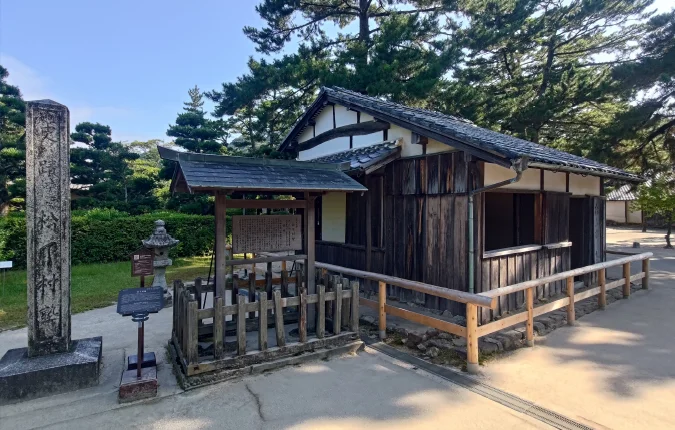
萩反射炉・旧 集成館事業・韮山反射炉などが挑戦の様子を伝えています。
第2段階は、明治維新後の西洋科学技術の導入期です。
技術の運用のために専門家が招かれ専門知識の習得が行われました。
小菅修船場跡・高島炭坑・旧グラバー邸がこの時代を象徴しています。
第3段階は、明治23年(1890)からの20年間です。
国内に専門知識を有した人材が育ち、国内需要に応じて地元の原材料を活用しつつ、西洋技術の導入が行われました。
三菱長崎造船所・三池港・官営 八幡製鐵所など、資産の多くは現代に引き継がれています。
【文化遺産オンライン(文化庁)】
https://bunka.nii.ac.jp/special_content/hlinkF
【明治日本の産業革命遺産公式HP】 http://www.japansmeijiindustrialrevolution.com/

Sites of Japan’s Meiji Industrial Revolution: Iron and Steel, Shipbuilding and Coal Mining
From the latter half of the 19th century to the early 20th century, rapid industrialization was achieved in Japan's heavy industry sector. The "Sites of Japan's Meiji Industrial Revolution," consisting of 23 component assets spanning from Kagoshima to Iwate, demonstrates three stages of development.
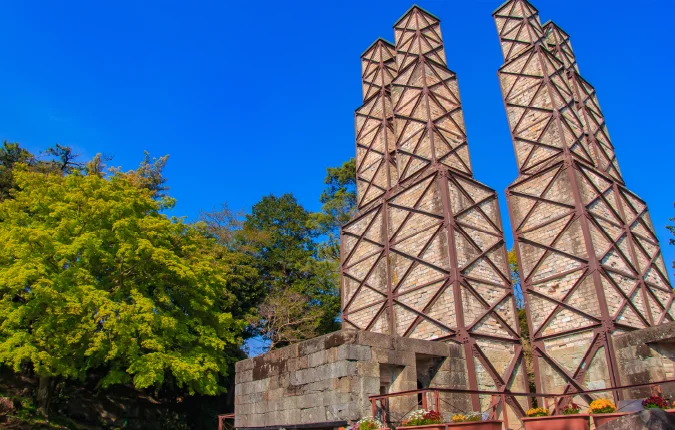
The first stage is the trial-and-error period of the late Edo period. Modern iron-making and shipbuilding were attempted using traditional handicraft techniques. Hagi Reverberatory Furnace, Former Shuseikan Project, and Nirayama Reverberatory Furnace convey the state of these challenges.
The second stage is the period of introduction of Western science and technology after the Meiji Restoration. Specialists were invited to operate the technology, and acquisition of specialized knowledge was conducted. Kosuge Slip Dock Ruins, Takashima Coal Mine, and Former Glover Residence symbolize this era.
The third stage is the 20 years from the 23rd year of Meiji (1890). Personnel with specialized knowledge grew within the country, and Western technology was introduced while utilizing local raw materials according to domestic demand. Mitsubishi Nagasaki Shipyard, Miike Port, and Government-operated Yawata Ironworks, among many assets, have been passed down to modern times.
-
【UNESCO World Heritage Center】
https://whc.unesco.org/en/list/1484
明治日本的产业革命遗产
日本在重工业领域也从19世纪后半期的半个世纪开始步入近代化。2015年,制铁/制钢、造船、石炭产业相关的产业遗产与相关设施(疏水、住宅、私塾等)23处,包括正在运作的设施,在全国范围内已被列入世界遗产。
明治日本的產業革命遺產
日本在重工業領域,亦從19世紀開始的後半個世紀步入了近代化。
於2015年,製鐵/製鋼、造船、石炭產業相關的產業遺產與關係設施(疏水、住居、私塾等)23處,包括在運作中的設施,在全國範圍內已被列入世界遺產。
메이지 일본의 산업혁명 유산:
제철·철강, 조선, 석탄
일본은 중공업 분야에서도 19세기 후반부터의 반세기 만에 근대화를 이룩하였습니다. 2015년에 제철·제강, 조선, 석탄산업과 관련된 산업유산과 관련시설(수로·주거· 교습소 등) 23곳이 가동 중인 것을 포함하여 전국에 걸쳐 세계유산에 등록되어 있습니다.
Sites de la révolution industrielle Meiji au Japon : sidérurgie, construction navale et extraction houillère
C’est également dans le domaine de l’industrie lourde que le Japon a effectué sa modernisation en un demi-siècle dès la seconde moitié du 19ème siècle. 23 éléments du patrimoine industriel et sites associés (canal, habitations, école, etc.) répartis dans tout le pays et en rapport avec la sidérurgie, construction navale et extraction houillère, dont certains fonctionnent toujours, ont été enregistrés au patrimoine mondial en 2015.
-
【UNESCO World Heritage Center】
https://whc.unesco.org/fr/list/1484
Stätten der industriellen Revolution in der Meiji-Zeit: Eisen- und Stahlindustrie, Schiffbau und Kohlebergbau.
In der zweiten Hälfte des 19.Jahrhunderts begann Japan auch mit der Modernisierung der Schwerindustrie und vollendete sie innerhalb eines halben Jahrhunderts.
2015 wurden landesweit 23 Industriedenkmäler der Eisen- und Stahlindustrie, des Schiffbaus und des Kohlebergbaus sowie damit zusammenhängende Einrichtungen (Kanäle, Behausungen, Ausbildungsstätten usw.), einschließlich sich noch in Betrieb befindlichen, ins Welterbe aufgenommen.
Luoghi della rivoluzione industriale giapponese del Periodo Meiji: ferro e acciaio, costruzioni navali, miniere di carbone
Anche nel campo dell'industria, il Giappone raggiunse la modernizzazione nei cinquant'anni successivi alla seconda metà del XIX secolo. Nel 2015 in tutto il paese sono stati registrati come patrimonio dell'umanità un totale di ventitré luoghi legati all'industria del ferro, dell'acciaio, delle costruzioni navali e del carbone, insieme ad altre strutture a essi correlati (canali, alloggi, collegi, ecc.), tra cui alcuni ancora funzionanti.
Sitios de la Revolución Industrial de la era Meiji en Japón: siderurgia, construcción naval y extracción de hulla
Durante los cincuenta años de la segunda mitad del siglo XIX Japón se modernizó también en el campo de la industria pesada.
En 2015, 23 sitios distribuidos por todo Japón de la herencia industrial relacionada con la industria del carbón, la construcción naval, la siderurgia e instalaciones relacionadas (canales, viviendas, academias, etc.), fueron registrados como Patrimonio de la Humanidad, incluyendo algunos sitios que todavía están operativos.
Sítios da Revolução Industrial Japonesa do Período Meiji
A modernização do Japão, na área de atividade de indústrias pesadas, deu-se em meio século a partir da segunda metade do século XIX.23 sítios industriais relativos à fabricação de ferro e aço, construção naval e mineração de carvão, e suas instalações relacionadas (canal de água, habitação, academia, etc.), espalhados por todo o país, inclusive os que estão em operação, foram tombados patrimônios mundiais em 2015
Памятники японской промышленной революции эпохи Мэйдзи: заводы, верфи и угольные шахты
Что касается тяжелой промышленности, то и в этой области Япония резко продвинулась вперед буквально за полвека второй половины 19-го столетия. В 2015 году объектами Всемирного культурного наследия были признаны 23 объекта, расположенные в разных частях страны, в том числе ныне действующие, и относящиеся к черной металлургии, сталелитейной промышленности, судостроению, угольной промышленности, а также к сопутствующим сооружениям (гидрофобные сооружения, жилые помещения, образовательные учреждения и др.).