


Iwami Ginzan
Silver Mine and its Cultural Landscape
島根県大田市、世界遺産登録2007年
石見銀山遺跡とその文化的景観
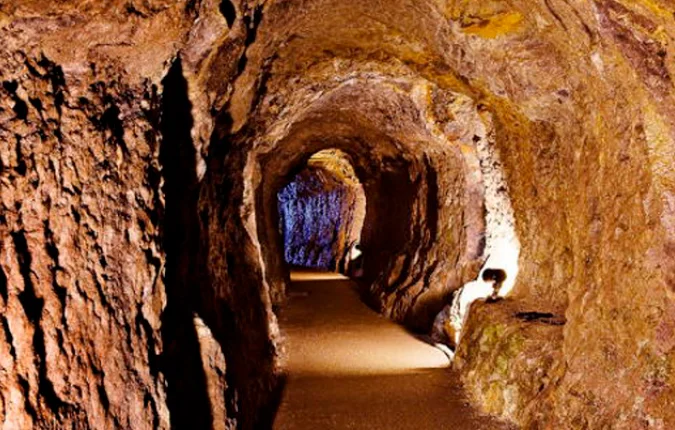
石見銀山は16~17世紀に世界最大級の銀産出量を誇った鉱山です。
1526年、博多商人・神谷寿禎(生没年不詳)が銀山を再発見し、1533年に"灰吹法"という東アジア最先端の銀精錬技術を導入しました。
1600年前後、日本の銀産出量は200tに達し、世界の銀生産の3分の1に相当し、大航海時代の世界経済を支えました。
17世紀後半以降、銀産出が減少し海外との交流も途絶えたため、産業革命を経たヨーロッパの技術と切り離され、
独特な労働集約型小規模生産システムを発展させました。
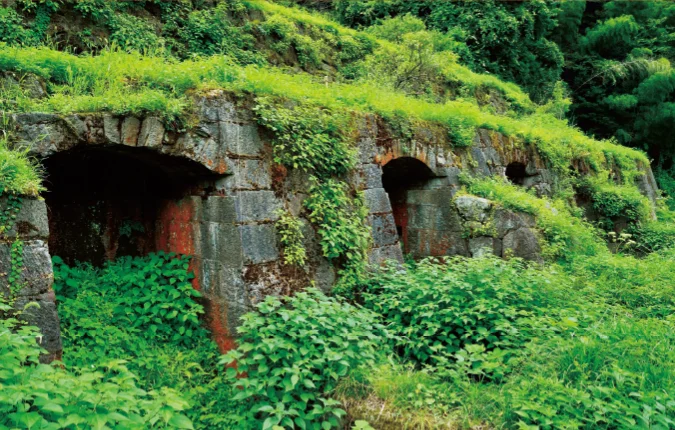
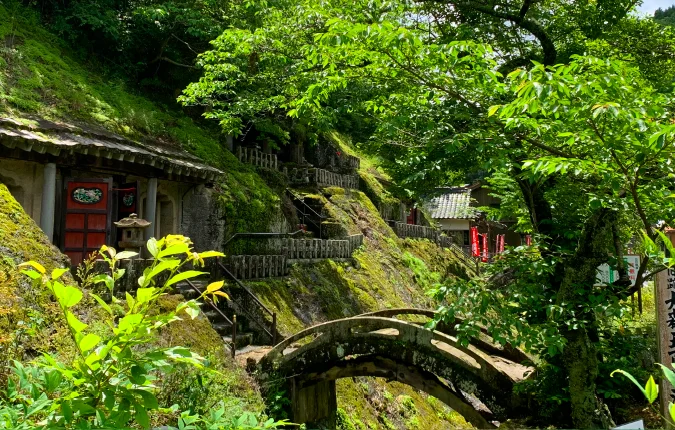
19世紀後半に生産活動は停止し、約400年間の鉱山運営の全体像を示す文化的景観として残りました。
鉱山跡、大森の町並み、街道、港など、銀生産に関わる全ての痕跡が森林に覆われ、人間と自然の共生を示しています。
【文化遺産オンライン(文化庁)】
https://bunka.nii.ac.jp/special_content/hlinkB
【石見銀山世界遺産センター】
https://ginzan.city.oda.lg.jp/
【大田市】
https://www.city.oda.lg.jp/ohda_city/city_organization/20/61/

Iwami Ginzan Silver Mine and its Cultural Landscape
Iwami Ginzan was a mine that boasted one of the world's largest silver outputs in the 16th-17th centuries. In 1526, Hakata merchant Kamiya Jutei (dates of birth and death unknown) rediscovered the silver mine, and in 1533, introduced the "Haifuki-method (cupellation)," the most advanced silver smelting technology in East Asia.
Around 1600, Japan's silver output reached 200 tons, accounting for one-third of the world's silver production, supporting the global economy during the Age of Discovery.
After the latter half of the 17th century, as silver production decreased and exchanges with overseas nations ceased, the mine became isolated from European technology that had undergone the Industrial Revolution, and developed a unique labor-intensive small-scale production system.
Production activities ceased in the latter half of the 19th century, leaving behind a cultural landscape that shows the complete picture of approximately 400 years of mining operations. All traces related to silver production—including mine ruins, the townscape of Omori, roads, and ports—are covered by forests, demonstrating the coexistence of humans and nature.
-
【UNESCO World Heritage Center】
http://whc.unesco.org/en/list/1246 -
【Iwami GInzan World Heritage Center】
https://ginzan.city.oda.lg.jp/
石见银山遗迹及其文化景观
在日本处于战乱期的16世纪,世界迎来了大航海时代。据说当时世界流通的白银的三分之一都来自日本,而其多半产于石见。石见银山以对东西方文明交流产生的影响、白银生产遗迹的风貌、与自然相调和的文化景观而被高度评价,并成为世界文化遗产。
-
【Iwami GInzan World Heritage Center】
https://ginzan.city.oda.lg.jp/
石見銀山遺跡及其文化景觀
日本正處於戰亂的十六世紀,世界正迎接大航海時代的來臨。當時世界上所流通的銀,約有三分之一來自日本,據說其中過半數產自石見。 石見銀山對東西文明交流的影響、銀產地遺跡的保存狀況,以及與自然協調的文化景觀均獲得高度評價,因而成為世界文化遺產。
-
【Iwami GInzan World Heritage Center】
https://ginzan.city.oda.lg.jp/
이와미 은광 및 문화경관
일본이 전란의 시대에 있던 16세기, 세계는 대항해시대를 맞이하고 있었습니다. 당시 세계에서 유통된 은의 3분의 1은 일본산으로 그 대부분이 이와미에서 산출되었다고 전해집니다.
이와미 은광은 동서문명교류에 미친 영향과 은 생산 유적지 본연의 모습, 자연과 조화된 문화경관이 평가를 받아 세계 문화 유산이 되었습니다.
-
【Iwami GInzan World Heritage Center】
https://ginzan.city.oda.lg.jp/
Mine d'argent d'Iwami Ginzan et son paysage culturel
Au 16ème siècle, période de guerres pour le Japon, le monde est entré dans une ère des grands voyages maritimes. A l'époque, un tiers de l'argent circulant dans le monde venait du Japon et on dit qu'une grande partie était produite à Iwami. L'appréciation de son influence dans le cadre des échanges entre les civilisations orientale et occidentale, l'état de ses vestiges de la production d'argent et l'harmonie avec la nature de son paysage culturel ont valu à Iwami Ginzan son enregistrement au Patrimoine culturel mondial.
-
【UNESCO World Heritage Center】
https://whc.unesco.org/fr/list/1246 -
【Iwami GInzan World Heritage Center】
https://ginzan.city.oda.lg.jp/
Das Silberbergwerk Iwami Ginzan und seine Kulturlandschaft
Im 16. Jahrhundert, als Japan im Inneren zerstritten war, begann im Rest der Welt das Zeitalter der Entdeckungen. Damals kam ein Drittel des sich weltweit im Umlauf befindenden Silbers aus Japan und der größte Teil davon wurde wohl in Iwami hergestellt. Iwami Ginzan wurde zum Weltkulturgut ernannt, weil man den Einfluss auf den Austausch zwischen den östlichen und westlichen Zivilisationen, den Zustand der Reste des Silberbergwerks und die mit der Natur im Einklang stehende Kulturlandschaft schätzte.
-
【Iwami GInzan World Heritage Center】
https://ginzan.city.oda.lg.jp/
La miniera d'argento di Iwami Ginzan e il suo paesaggio culturale
Nel XVI secolo, mentre in Giappone era nel mezzo delle guerre civili, il mondo conosceva il periodo delle grandi navigazioni. Pare che all' epoca un terzo dell'argento in circolazione fosse di provenienza giapponese, e che di questo gran parte fosse estratto dalla miniera di Iwagi Ginzan. La miniera di Iwami Ginzan fu inserita tra i patrimoni dell' umanità in considerazione dell'influenza che esercitò negli scambi tra oriente e occidente, dei suoi importanti reperti storici sulla produzione dell' argento e del suo paesaggio artificiale in armonia con la natura circostante.
Minas de plata de Iwami Ginzan y su paisaje cultural
Durante el siglo XVI, en Japón se sucede un período de guerras mientras el resto del mundo se dirige hacia la era de los descubrimientos. En esa época, una tercera parte de la plata que circulaba por el mundo procedía de Japón, y se dice que la mayor parte de ésta se producía en Iwami. Las minas de plata de Iwami Ginzan muestran vestigios de la producción de plata y la influencia en el intercambio entre la civilización oriental y la occidental, y asimismo, para su inclusión en el Patrimonio Cultural de la Humanidad se valoró su paisaje cultural en armonía con la naturaleza.
-
【Iwami GInzan World Heritage Center】
https://ginzan.city.oda.lg.jp/
Minas de Prata de Iwami Ginzan e sua Paisagem Cultural
No século XVI enquanto havia guerras no Japão, fora vivia-se o período das grandes descobertas. Na época, um terço da prata que corria no mundo provinha do Japão, e diz-se que mais da metade saiu das minas de Iwami. Aquelas que são as ruínas das minas de produção de prata de Iwami Ginzan, influenciaram as relações entre as civilizações ocidental e oriental. A harmonia com a paisagem cultural envolvente foi avaliada e classificada como património mundial e cultural.
-
【Iwami GInzan World Heritage Center】
https://ginzan.city.oda.lg.jp/
Серебряные копи Ивами-Гиндзан
В XVI веке, когда Япония находилась в состоянии междоусобных войн, за её пределами начиналась эпоха Великих географических открытий. В то время, как считается, около трети серебра, находившегося в мировом обращении, происходило из Японии, и значительная его часть добывалась в Ивами. Серебряные рудники Ивами-Гиндзан были включены в Список Всемирного культурного наследия благодаря своей роли в развитии контактов между Востоком и Западом, хорошо сохранившимся свидетельствам добычи и переработки серебра, а также культурному ландшафту, гармонично сочетающемуся с окружающей природой.
-
【Iwami GInzan World Heritage Center】
https://ginzan.city.oda.lg.jp/