


Buddhist Buildings
in the Horyu-ji area
奈良県斑鳩町/世界遺産登録1993年
法隆寺地域の仏教建造物
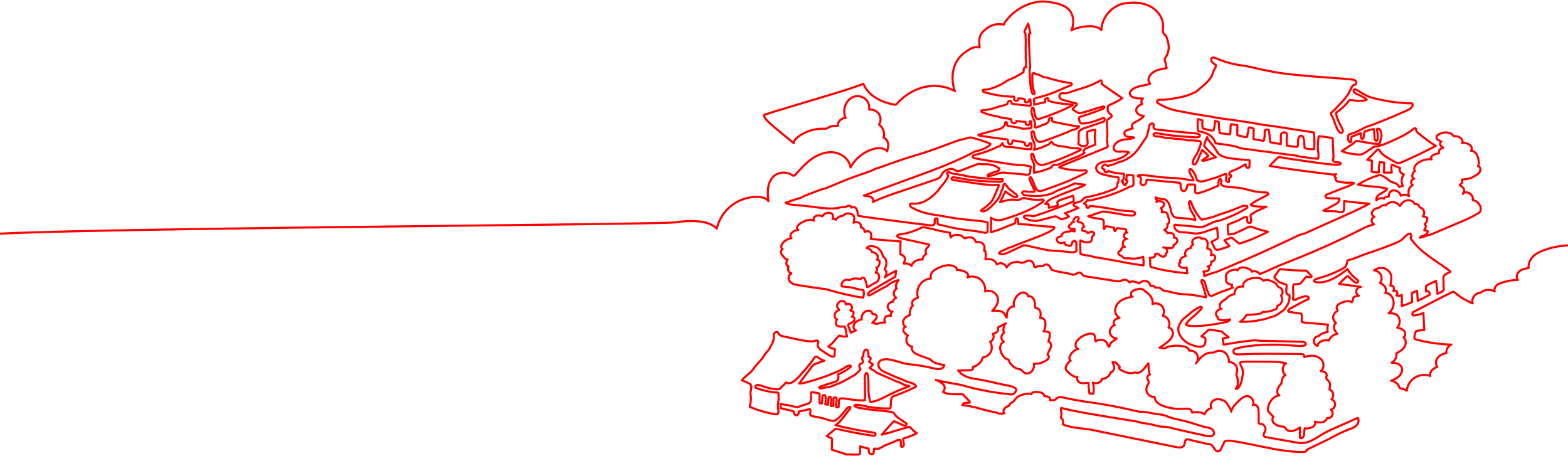
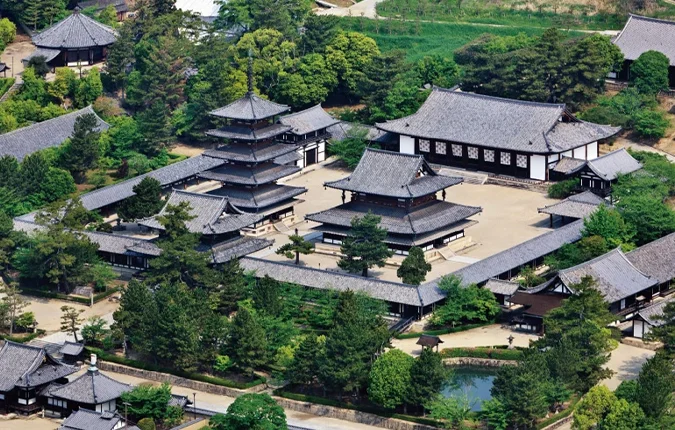
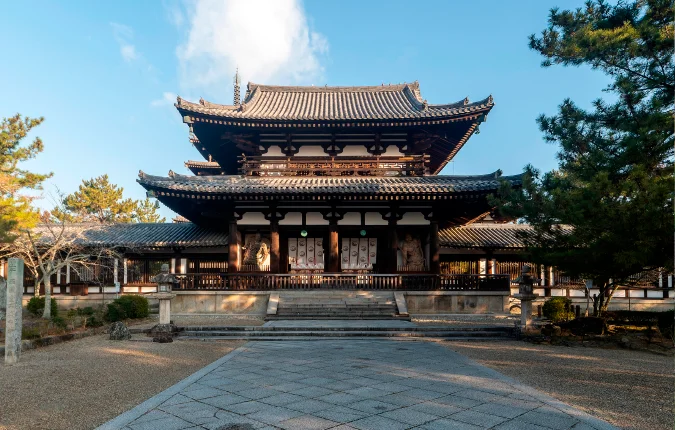
奈良県の法隆寺と法起寺を含む48棟の木造建築物群は、日本初の世界文化遺産として登録されています。
そのうち11棟は7世紀から8世紀初頭に建てられた、現存する世界最古の木造建築です。
607年に聖徳太子によって創建された法隆寺は670年に焼失しましたが、
太子を敬慕する僧侶と民衆の手によって再建されました。
6世紀半ばの仏教公伝とともに伝わった律令制度や先端技術を受け入れ、
日本という国家形成の礎となった寺院です。
約2,300点の国宝・重要文化財を有し、民衆の篤い信仰と宮大工の卓越した技によって
1400年にわたり守り伝えられてきた、日本の精神文化を象徴する遺産です。
【文化遺産オンライン(文化庁)】
https://bunka.nii.ac.jp/special_content/hlink1
【法隆寺 大野管長講演会(2018年)】
https://worldheritagejpn.com/images/map/pdf/ja.pdf
Buddhist Buildings in the Horyu-ji area
The group of 48 wooden buildings in Nara Prefecture, including Hōryū-ji and Hokki-ji, are registered as Japan's first World Cultural Heritage sites. Of these, 11 buildings were constructed from the 7th to early 8th centuries and are the oldest existing wooden structures in the world. Hōryū-ji, founded by Prince Shōtoku in 607, was destroyed by fire in 670, but was rebuilt by monks and common people who revered the Prince. This is a temple that became the foundation for the formation of Japan as a nation-state by accepting the ritsuryō system and advanced technologies that were transmitted along with the official introduction of Buddhism in the mid-6th century. Possessing approximately 2,300 National Treasures and Important Cultural Properties, it is a heritage symbolizing Japanese spiritual culture that has been preserved and transmitted for 1,400 years through the deep faith of the people and the outstanding skills of master temple carpenters.
-
【UNESCO World Heritage Center】
http://whc.unesco.org/en/list/660 -
【Speech by Ōno Genmyō, Head Priest of the Horyu-ji Temple】
https://worldheritagejpn.com/images/map/pdf/en.pdf
法隆寺地区的佛教建筑
佛教从大陆传到日本是在6世纪。7世纪初建成的法隆寺是当时具有代表性的寺院,作为世界最古老的木造建筑而举世闻名。与姬路城一并成为日本世界文化遗产登记中的第一批。
- 【Rekishikaido Promotional council】
https://www.worldheritagejpn.com/wch/rkhouryujick.html -
【法隆寺 大野玄妙管长演讲会】
https://worldheritagejpn.com/images/map/pdf/ch.pdf
法隆寺地區的佛教建築
佛教從大陸傳至日本是在六世紀時。於七世紀初所建造的法隆寺在當時即為代表性的寺院,並以世界最古老的木造建築廣為人知。與姬路城同為日本最初獲指定的世界文化遺產。
-
【法隆寺 大野玄妙管長演講會】
https://worldheritagejpn.com/images/map/pdf/tw.pdf
호류사의 불교기념물군
대륙에서 일본에 불교가 전해진 것은 6세기경의 일입니다. 7세기 초에 지어진 호류사는 그 당시부터 일본의 대표적인 사원으로 세계 최고(最古)의 목조건축물로 알려져 있습니다. 히메지죠와 더불어 일본에서 제1호로 지정된 세계 문화 유산입니다.
- 【호류지 오오노 겐묘 관장 강연회】
https://worldheritagejpn.com/images/map/pdf/ko.pdf
Monuments bouddhiques de la région de Horyu-ji
C'est au 6ème siècle que le bouddhisme a été transmis au Japon depuis le continent. Le Horyu-ji, bâti au début du 7ème siècle, est un temple représentatif de cette époque et est connu comme la plus ancienne construction en bois au monde. Avec le château de Himeji, il constitue le premier site japonais inscrit au Patrimoine culturel mondial.
-
【Rekishikaido Promotional council】
https://www.worldheritagejpn.com/wch/rkhouryujifr.html -
【UNESCO World Heritage Center】
https://whc.unesco.org/fr/list/660/ - 【Conférence d’Ōno Genmyō, Grand Prêtre du temple Horyu-ji】
https://worldheritagejpn.com/images/map/pdf/fr.pdf
Buddhistische Gebäude im Tempelbezirk des Horyu-ji
Im 6. Jahrhundert kam der Buddhismus vom asiatischen Kontinent nach Japan. Der am Anfang des 7. Jahrhunderts erbaute Tempel Horyu-ji ist repräsentativ für die Tempel dieser Zeit und bekannt als das älteste erhaltene Holzgebäude der Welt. Er ist zusammen mit der Burg Himeji-jo das erste Kulturgut Japans, das als Teil des Weltkulturerbes registriert wurde.
-
【Rekishikaido Promotional council】
https://www.worldheritagejpn.com/wch/rkhouryujidu.html -
【Vortrag von Ōno Genmyō, Oberpriester des Horyu-ji-Tempels】
https://worldheritagejpn.com/images/map/pdf/de.pdf
Gli edifici buddhisti nella zona del tempio Hōryūji
Il buddhismo fu trasmesso in Giappone dal continente asiatico nel sesto secolo dopo Cristo. Lo Hōryūji, edificato all'inizio del settimo secolo, fu un tempio rappresentativo fin da quel periodo ed è tuttora conosciuto come il complesso di edifici lignei più antico del mondo. Insieme al castello di Himeji fu il primo patrimonio dell'umanità giapponese ad essere registrato.
-
【Rekishikaido Promotional council】
https://www.worldheritagejpn.com/wch/rkhoryujiit.html -
【Intervento di Ōno Genmyō, sommo sacerdote del Tempio di Horyu-ji】
https://worldheritagejpn.com/images/map/pdf/it.pdf
Monumentos budistas de la región de Horyu-ji
El budismo llegó a Japón desde el continente en el siglo VI. El Templo Horyu-ji, construido a principios del siglo VII, es el templo más representativo de esa época, y se conoce por tener las edificaciones de madera más antiguas en el mundo. Junto con el castillo Himeji-jo, son los primeros monumentos designados Patrimonio Cultural de la Humanidad en Japón.
-
【Rekishikaido Promotional council】
https://www.worldheritagejpn.com/wch/rkhouryujisp.html -
【Discurso de Ōno Genmyō, sacerdote jefe del templo Horyu-ji】
https://worldheritagejpn.com/images/map/pdf/es.pdf
Construções Budistas na área de Horyu-ji
A religião budista foi introduzida no Japão no século VI a partir do continente. O templo Horyu-ji foi construído nos primórdios do século VII e é, desde então, o templo mais representativo desse período sendo conhecido como a mais antiga construção de madeira do mundo. A par do castelo Himeji foi o primeiro a ser classificado como património mundial e cultural do Japão.
-
【Nara Pref】
http://www.pref.nara.jp/nara_p/ -
【Palestra de Ōno Genmyō, Sacerdote Principal do Templo Horyu-ji】
https://worldheritagejpn.com/images/map/pdf/pt.pdf
Буддийские памятники в районе Хорюдзи
Буддизм пришёл в Японию с материка в VI веке. Хорюдзи, построенный в начале VII века, является типичным буддийским храмом того времени и известен как самое древнее в мире сохранившееся деревянное сооружение. Наряду с замком Химэдзи, Хорюдзи стал одним из первых объектов Всемирного культурного наследия Японии.
-
【Выступление Оно Гэммё, настоятеля храма Хорю-дзи】
https://worldheritagejpn.com/images/map/pdf/ru.pdf